
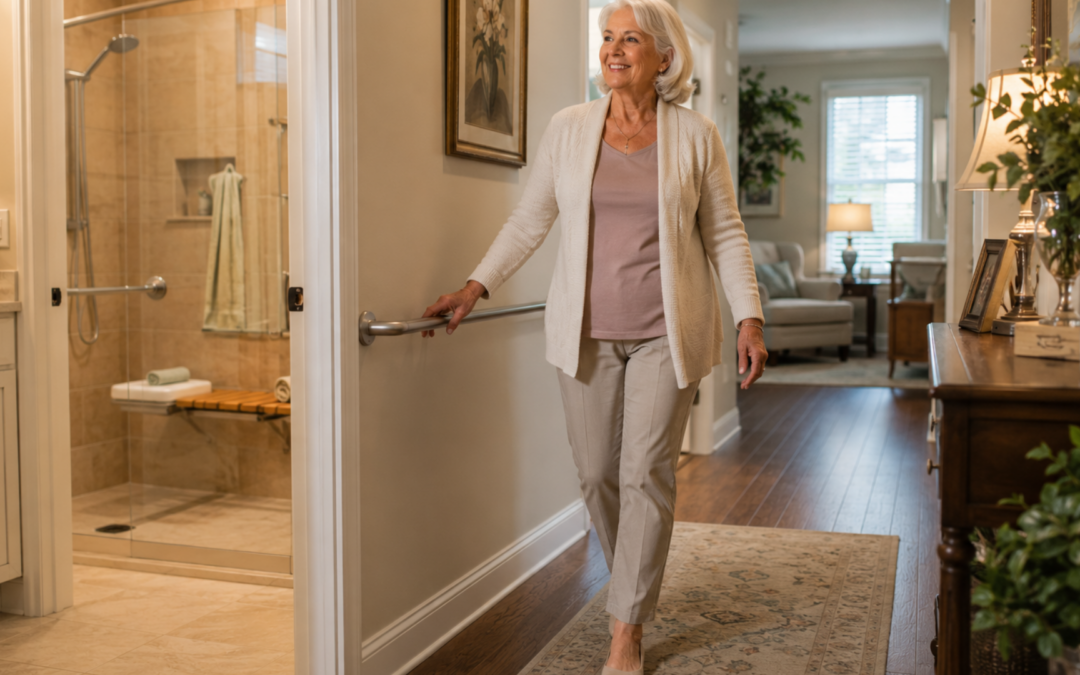
Most people do not think about aging in place Chicago homeowners face until something happens. A fall. A close call on the stairs. A moment in the bathroom that takes longer than it should. By that point, the conversation feels urgent rather than planned. The good news is that most changes that make a home safer are far more affordable than people expect. Acting before a crisis is always better than reacting after one.
Why This Matters More Than Most People Realize
According to RubyHome’s aging in place statistics, 82% of seniors want to spend the rest of their lives in their current home. Yet only 10% of US housing units have the basic accommodations needed to support that goal. That gap is where most families find themselves. They want to stay. Their home has not yet caught up with that desire.
Falls are the most urgent reason to act. The CDC reports that one in three seniors falls each year. Every 11 seconds, an older adult is treated in an emergency room for a fall. The bathroom accounts for the majority of serious falls. Wet surfaces, tight spaces, and the demands of bathing create conditions that relatively simple changes can dramatically improve.
Start With the Bathroom
The bathroom is the highest priority for most aging in place specialists. It also offers the widest range of modifications, from very affordable to comprehensive renovation.
Grab bars near the toilet and inside the shower are the most requested modification. According to ElderLife Financial’s 2026 cost guide, professional installation runs between $100 and $350 per bar. A non-slip mat, a shower bench, and a handheld shower head add little cost but significantly reduce fall risk.
More substantial upgrades include walk-in shower conversions, typically costing between $6,000 and $12,000. Walk-in tubs eliminate the dangerous step-over that standard tubs require. A full accessible bathroom renovation can cost up to $25,000. However, it also returns approximately 49% of that investment at resale, according to Great Day Improvements’ 2026 renovation guide.
The Entryway and Main Living Areas
Getting in and out of the home safely is the second priority. Steps at the front entry, uneven thresholds, and poor exterior lighting all create risk before a person reaches the front door.
A modular aluminum ramp typically costs between $1,500 and $3,000 installed. Motion-sensor exterior lighting is inexpensive and makes a meaningful difference for evening safety. Inside the home, widening doorways costs between $300 and $2,500 per doorway. It is one of the most future-proofing investments a homeowner can make.
Lever-style door handles replace round knobs throughout the home. They make an enormous practical difference for anyone with arthritis or reduced grip strength. The cost is minimal, often just a few hundred dollars with a few hours of handyman labor.
The Kitchen and Bedroom
Kitchens and bedrooms are often overlooked in aging-in-place planning. Both deserve attention.
In the kitchen, pull-out shelving, a raised dishwasher, and lever-style faucets reduce bending and gripping demands. Comfort-height countertops and a front-control cooktop improve daily safety considerably.
In the bedroom, the priority is ensuring everything needed overnight is within easy reach. A bed rail, nightlights along the path to the bathroom, and a medical alert system are low-cost additions. They provide meaningful peace of mind for both the homeowner and their family.
What Does It Actually Cost?
According to SonderCare’s 2026 modification guide, comprehensive home modifications typically cost between $10,000 and $25,000 as a one-time investment. Assisted living, by comparison, costs $50,000 or more per year. Skilled nursing care runs between $90,000 and $100,000 annually. Viewed through that lens, home modifications are one of the most financially sound decisions a homeowner over 50 can make.
Funding help is also available. In 2025, 33% of Medicare Advantage plans offered benefits covering modifications like grab bars and ramps. HUD’s Older Adults Home Modification Program provides up to approximately $5,000 for low-income seniors. Veterans may qualify for substantial funding through the VA’s Home Improvements and Structural Alterations grant program.
Where to Start
The best starting point is an assessment of your home’s current risk areas. An occupational therapist can perform a formal home safety evaluation. A CAPS specialist, which stands for Certified Aging in Place Specialist, is a contractor trained in accessibility modifications. They can provide a detailed plan and cost estimate tailored to your specific home.
Your SRES® can also help. Part of the value an SRES® brings is connecting clients with trusted local professionals, including contractors and specialists who have worked well with previous clients in the Chicago and South Suburbs area.
For a room-by-room checklist of what to look for in your own home, the free one-page guide Aging in Place Checklist is a practical starting point. And if you are thinking about what specific skills and changes support independent living long term, The Skills You Need to Age in Place is worth reading alongside it.
Every family navigating these decisions deserves good information and genuine support. That is why I put together a free resource library packed with guides covering everything from downsizing and aging in place to senior living options and financial planning. And if you would like to understand more about what an SRES® does and why it matters for homeowners over 50, the Homeowners 50+ page is a good place to start.
Prefer watching instead of reading? This auto-generated video summarizes the key points discussed in this article.
If you’re starting to think about what comes next, you don’t have to figure it out on your own. Sometimes it helps just to talk things through.
You can always take the next step at your own pace, with no pressure and no expectations. I’m always happy to help you get a clearer picture of your options.
Michelle Williams is a REALTOR® and SRES® serving Chicago and the South Suburbs, helping homeowners 50+ make confident decisions about their next move.