
Smart home tech for seniors has moved well beyond novelty. According to AARP’s 2025 Tech Trends report, half of adults over 50 now use at least one smart home device, and the adoption rate keeps climbing. For homeowners in Chicago and the South Suburbs thinking about their next chapter, that is worth paying attention to. Whether you plan to stay in your current home, downsize to something smaller, or move into a new community, smart technology can make your space safer, easier to manage, and more comfortable for years to come.
This blog covers the most useful tools available right now, what they actually do, and how to think about them practically without getting lost in technical jargon.
Start With Safety
The most important category is safety. Falls remain the leading cause of injury-related hospitalizations among older adults. The home environment plays a significant role in fall risk. Smart lighting is one of the simplest and most effective upgrades available. Motion-activated lights in hallways, bathrooms, and staircases mean you never have to navigate a dark space at night. They switch on automatically when you move and turn off when you leave. Nothing to learn. Nothing to remember.
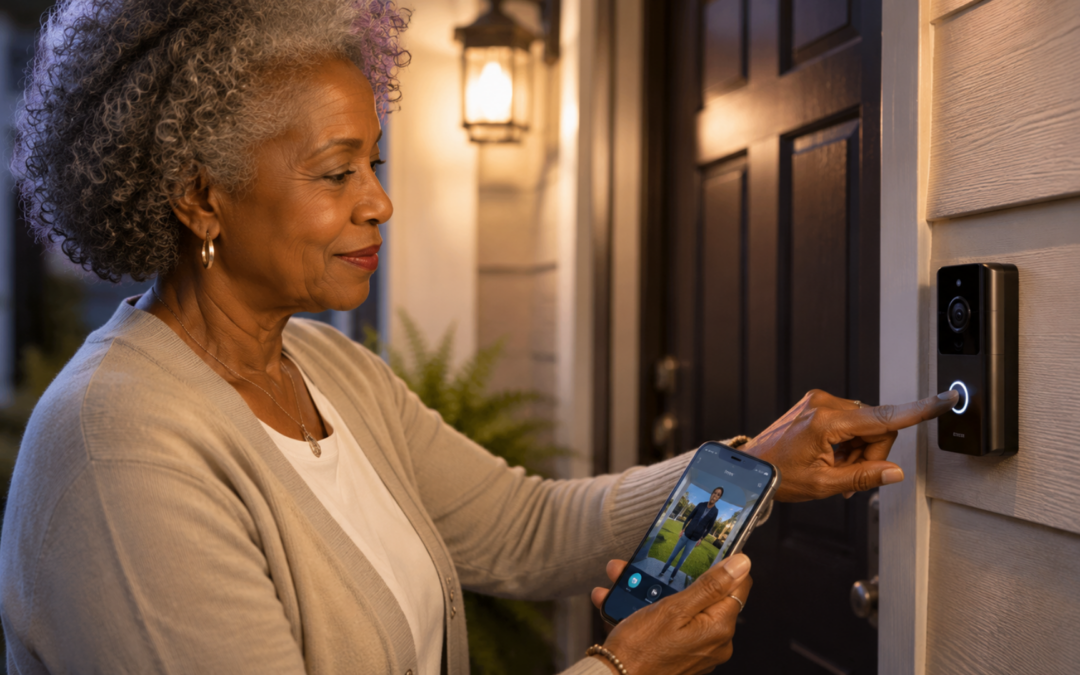
Smart doorbells with video cameras allow you to see and speak with visitors without opening the door. This matters for security and for peace of mind when living alone. According to the Age Safe America guide to smart home devices, video doorbells and caller ID tools that flag scam numbers are among the most valuable safety tools for seniors in 2026. Seniors lose over three billion dollars annually to fraud, according to the FTC, and a video doorbell is one of the most direct lines of defence.
Smart smoke and carbon monoxide detectors connect to your phone. They alert family members as well as yourself when something triggers. Older-style detectors only sound an alarm in the home. A smart detector can notify a family member in another city if needed. That adds a meaningful layer of protection for anyone living alone.
Voice Assistants Make Daily Life Easier
A voice assistant, such as Amazon Echo or Google Nest, is one of the most underrated tools for homeowners over 50. On the surface, it plays music and answers questions. In practice, it does considerably more. You can use it to set medication reminders, make phone calls without picking up a handset, control lights and thermostats, and add items to a shopping list by speaking out loud.
Furthermore, voice assistants reduce the need to physically reach for devices. This matters as mobility changes over time. For anyone managing a condition that affects hand strength or dexterity, controlling the home with a voice command is genuinely useful. The AARP Tech Trends report notes that AI usage among adults over 50 nearly doubled from 2024 to 2025. Health reminders and daily management tools ranked among the most valued features.
Smart Locks and Security
Smart locks allow you to lock and unlock your front door from your phone. You can set temporary access codes for family members or caregivers. You can also check whether your door is locked without getting up. For someone who frequently worries about whether they locked up, this removes a significant source of daily anxiety.
Smart security systems have become considerably more accessible. Many require no professional installation and connect through a simple app. Motion sensors, door and window alerts, and indoor cameras all link to a central system. That system notifies you or a family member if something unusual happens. Notably, the AARP report found that use of home security cameras and alarms increased significantly between 2024 and 2025. Seniors living alone drove much of that increase.
Medication Management
Missing a dose or taking medication at the wrong time is a common problem for older adults managing multiple prescriptions. Smart medication dispensers address this directly. Some devices dispense the correct dose at the correct time. They sound an alert if a dose gets missed. Others connect to a family member’s phone so a loved one can confirm medications are being taken on schedule.
Additionally, simpler solutions like smart speaker reminders cost very little and work reliably. Three medications at different times each day? A voice assistant can remind you at each scheduled time. No additional equipment needed. For many people, this alone makes a smart speaker the single most valuable purchase in this entire list.
Smart Thermostats
A smart thermostat learns your temperature preferences over time and adjusts automatically. You can control it remotely from your phone, which is useful if you forget to adjust it before leaving the house. Many also provide energy reports that reduce heating and cooling costs. Consequently, a smart thermostat often pays for itself through energy savings while removing the need to manually adjust settings, which matters for anyone with reduced mobility.
Where to Start
The most common mistake with smart home technology is trying to do everything at once. A better approach is to identify the one or two areas of daily life that cause the most friction or concern and start there. Nighttime navigation feels risky? Start with motion-activated lighting. Is security the primary concern? Start with a video doorbell. Perhaps medication management is the challenge? Start with a smart speaker and set up reminders before investing in a dedicated dispenser.
Most devices work together over time. Adding one does not lock you into a particular system. Start small, get comfortable, and expand when it feels right. The goal is not a fully automated home. The goal is a home that feels safer and easier to live in every day. For a broader look at how technology can support your home life and your property search, the free one-page guide Tech-Savvy Living: A Guide to Property Technology for Seniors covers smart home tools, online property search, and finding professional services, all on a single, easy-to-read page.
What to Consider Before Buying
Not all smart home products are created equal. Ease of use varies considerably. Look for devices with large, simple controls, voice activation, and minimal setup. Read reviews specifically from older users rather than tech enthusiasts, as the experience can differ significantly between those two groups.
Privacy is worth considering, too. Any device connected to the internet collects some data. Reputable brands are transparent about what they collect and how they protect it. Stick with well-known manufacturers. Avoid obscure devices with limited customer support or unclear privacy policies. The home care technology trends guide for 2026 notes that the most effective smart home setups are personalized to individual needs, not copied from a generic checklist.
A Good Time to Think About Your Next Home
If you are in the process of moving or considering a move, a new home is an ideal moment to introduce smart technology from day one. Downsizing often means a smaller, more manageable space, which makes smart home setup simpler and more cost-effective. Moreover, many newer homes and communities already come with some smart features built in. Understanding what is available helps you ask better questions when evaluating properties.
For anyone thinking about the South Suburbs market and what is available right now, the market trends page on my website is updated regularly with current data.
A Final Thought
Smart home technology is not about turning your home into a command center. It is about removing small daily frictions, adding quiet layers of safety, and making your space work better for the life you are actually living. The right tools, chosen thoughtfully, make a real difference to your comfort and confidence at home.
When you are thinking about your next move, the free resource library has practical guides covering every aspect of later-life housing, from downsizing and aging in place to senior living options, care alternatives, and the resources you need to make confident decisions. And if you would like to understand how I work with homeowners over 50, the Homeowners 50+ page is the right place to start.
Prefer watching instead of reading? This auto-generated video summarizes the key points discussed in this article.
If you’re starting to think about what comes next, you don’t have to figure it out on your own. Sometimes it helps just to talk things through.
You can always take the next step at your own pace, with no pressure and no expectations. I’m always happy to help you get a clearer picture of your options.
Michelle Williams is a REALTOR® and SRES® serving Chicago and the South Suburbs, helping homeowners 50+ make confident decisions about their next move.