
The home prep South Suburbs sellers actually need can cost less than you think. Getting a house ready to sell can feel overwhelming, especially with every home improvement show making a full renovation look like the price of entry. The truth is simpler and far more affordable than that.
The Projects That Actually Move the Needle
Before spending a dollar, it helps to know what buyers actually respond to. According to the National Association of Realtors, staged homes tend to sell for a higher price. They also tend to spend less time on the market. Nearly 30 percent of real estate agents report that staging leads to offers coming in one to 10 percent higher than similar unstaged homes. On a typical South Suburbs home, that difference can add up to real money.
Staging does not mean hiring a designer or renting furniture. It starts with something every homeowner can do for free. Clear your countertops. Put away personal items. Let each room show its actual size and function. Living rooms, primary bedrooms, and kitchens matter most to buyers. Focus your energy there first, and treat the rest of the house as secondary.
Decluttering and Deep Cleaning Cost Almost Nothing
If staging feels intimidating, decluttering and cleaning deliver a surprising amount of value for very little money. According to HomeLight’s survey of top real estate agents nationwide, decluttering alone can add over 11,000 dollars to a home’s sale price. Deep cleaning adds further value on top of that. Neither one requires you to spend a dime on materials or contractors.
Start small. Clear kitchen counters. Thin out closets by a third. Pack away anything you have not used in the past year. Buyers open cabinets and closets during showings, so half-empty shelves actually work in your favor. They signal plenty of storage rather than a cramped home.
Break the work into manageable pieces instead of trying to tackle the whole house in one weekend. Focus on one room at a time. A single closet or one kitchen drawer is a reasonable goal for a single afternoon. Small wins build momentum, and momentum makes the rest of the project feel far less overwhelming than it did at the start.
Curb Appeal Delivers the Best Return for the Least Money
First impressions happen before a buyer ever steps through your front door. Recent home value research compiled from the Cost vs Value Report shows something worth knowing. Exterior projects consistently deliver the highest return on investment of any home improvement category. They often far outperform interior remodels, sometimes by a wide margin.
A garage door replacement tops that list. It typically recoups well over twice its cost at resale. A new steel entry door performs almost as well. Both projects cost a few thousand dollars, not tens of thousands. Both also make a strong first impression before a buyer even walks inside your home.
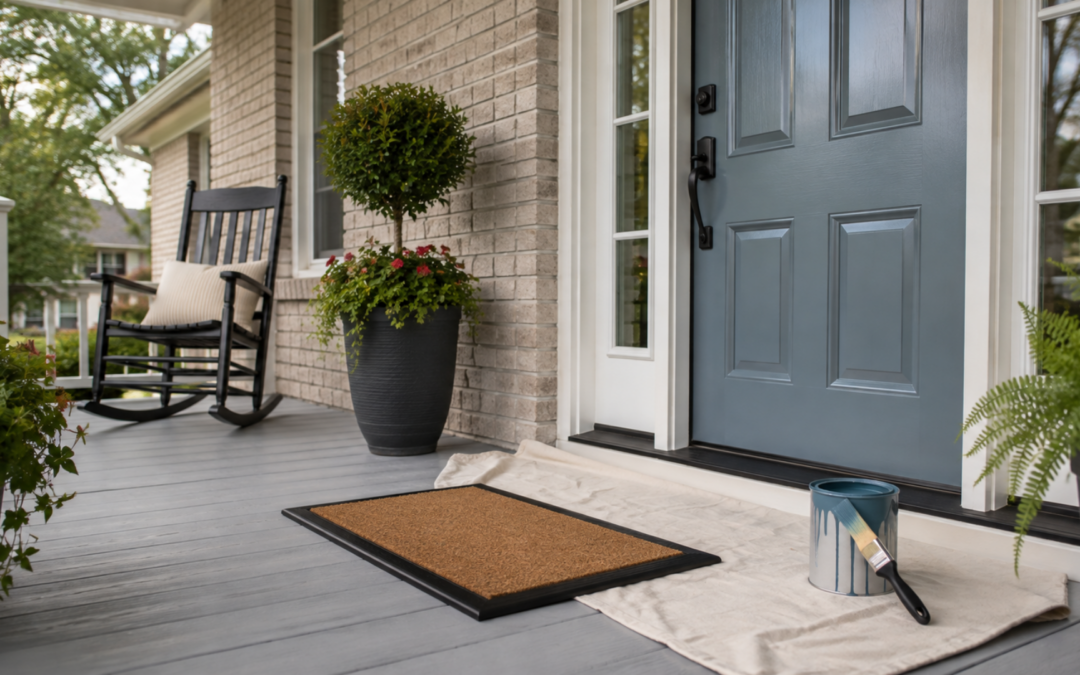
You do not need new doors to see results, though. Mowing the lawn costs nothing but time. Trimming overgrown bushes and clearing yard debris cost nothing either. A fresh coat of paint on the front door is inexpensive. So is a new doormat or updated house numbers. These small changes read as cared for rather than neglected. According to HomeLight’s guide on curb appeal, landscaping alone can contribute as much as 15 percent of a home’s perceived value.
Where to Skip Spending Altogether
Knowing what not to spend money on matters just as much as knowing what works. Major kitchen remodels rarely return what homeowners put into them. The same is true for in-ground pools and highly personalized upgrades. A full kitchen overhaul might cost tens of thousands of dollars. It often adds back only about half of that at resale.
This matters even more for homeowners who are house rich and cash conscious. Your equity sits in the home itself rather than in a savings account. Spending heavily upfront can feel risky when your available cash is limited. Thankfully, that kind of spending is rarely necessary. Minor updates like cabinet hardware, fresh paint, and small repairs consistently outperform expensive overhauls when it comes to what buyers actually pay for.
Before committing to any project, ask a simple question. Will a buyer notice and value this change? Or am I making it because I would enjoy it myself? If the answer leans toward personal preference rather than broad buyer appeal, it likely belongs on your list of things to skip entirely.
Some homeowners assume a dated bathroom or an older kitchen automatically means a lower sale price. That is not always true. Buyers price in the age of a home and its finishes, especially in established South Suburbs neighborhoods where updated and original homes sit side by side. A clean, well-maintained older kitchen often outperforms a poorly executed remodel that does not match the rest of the house.
What a Small Budget Actually Buys You
Homeowners often assume that a small budget means a weak position when listing a home. In practice, a small, well-spent budget can outperform a large one. A few hundred dollars on paint, cleaning supplies, and yard tools goes further than most people expect. What matters more than the size of the budget is where that money goes.
Think in terms of what a buyer notices first. The yard registers before the front door. The front door registers before the entryway. Everything else in the home comes after that first sequence of impressions. Spending your limited budget in that same order, starting outside and working inward, tends to produce the best return for the least amount of money spent.
A Simple Order of Operations
With limited time and a limited budget, sequence matters. Start with decluttering and deep cleaning. Both cost little beyond your own effort, and both consistently deliver strong returns. Move next to curb appeal. Focus on the free fixes first: mowing, trimming, and clearing debris. Consider paid projects like a new front door or garage door only after that.
Only after those steps are complete does it make sense to look at paint touch-ups or minor repairs inside the home. Small fixes like a dripping faucet or a squeaky door hinge are inexpensive. They still matter, because buyers notice small signs of neglect. A leaky faucet makes a buyer wonder what else has been overlooked in the home.
If your home has been sitting without much interest, the issue is not always about price. Presentation plays a real role too, and the fundamentals covered here – decluttering, curb appeal, small fixes – are often the difference between a home that gets overlooked and one that gets offers.
You Do Not Need a Big Budget to Sell Well
Preparing a home for sale can feel like a financial burden. This is especially true for homeowners over 50 who are watching every dollar closely. The good news is straightforward. The highest-returning projects are consistently the least expensive ones. Decluttering, cleaning, and basic curb appeal cost little beyond your time. Yet they carry real weight with buyers walking through your door. You do not need a contractor on speed dial or a home equity line of credit to get your house ready. You need a plan, a few weekends, and a clear sense of where your effort will actually be noticed.
Save the bigger spending decisions for projects that genuinely need it. A failing roof or an aging furnace would show up on an inspection anyway, so those are worth addressing. For everything else, small, focused effort tends to outperform an expensive renovation every time. A well-presented home does not have to come from a big budget. It comes from knowing where your effort and your dollars will actually count.
When you are thinking about your next move, the free resource library has practical guides covering every aspect of later-life housing, from downsizing and aging in place to senior living options, care alternatives, and the resources you need to make confident decisions. And if you would like to understand how I work with homeowners over 50, the Homeowners 50+ page is the right place to start.
Prefer watching instead of reading? This auto-generated video summarizes the key points discussed in this article.
If you’re starting to think about what comes next, you don’t have to figure it out on your own. Sometimes it helps just to talk things through.
You can always take the next step at your own pace, with no pressure and no expectations. I’m always happy to help you get a clearer picture of your options.
Michelle Williams is a REALTOR® and SRES® serving Chicago and the South Suburbs, helping homeowners 50+ make confident decisions about their next move.